Why Mandala Wall Art Is Trending in UK Home Décor

Why Mandala Wall Art Is Trending in UK Home Décor

Home décor is becoming more personal, expressive, and focused on creating spaces that feel comfortable rather than simply looking perfect. In the UK, current interior trends are moving towards warmer colours, natural materials, layered textures, wellness-led spaces, and décor that reflects individual personality.

Within this shift, mandala wall art has an interesting place. Its detailed patterns can add character to minimalist rooms, while its circular forms and association with balance and harmony make it appealing for people creating calmer living spaces.

But why exactly is mandala artwork becoming such an attractive choice for modern UK homes?

Let’s explore the key reasons.

What Is Mandala Wall Art?

A mandala is a geometric design traditionally associated with concepts such as wholeness, balance, and harmony. The word comes from Sanskrit and is commonly translated as “circle”.

Today, mandala-inspired designs appear across contemporary art, interiors, textiles, and decorative objects.

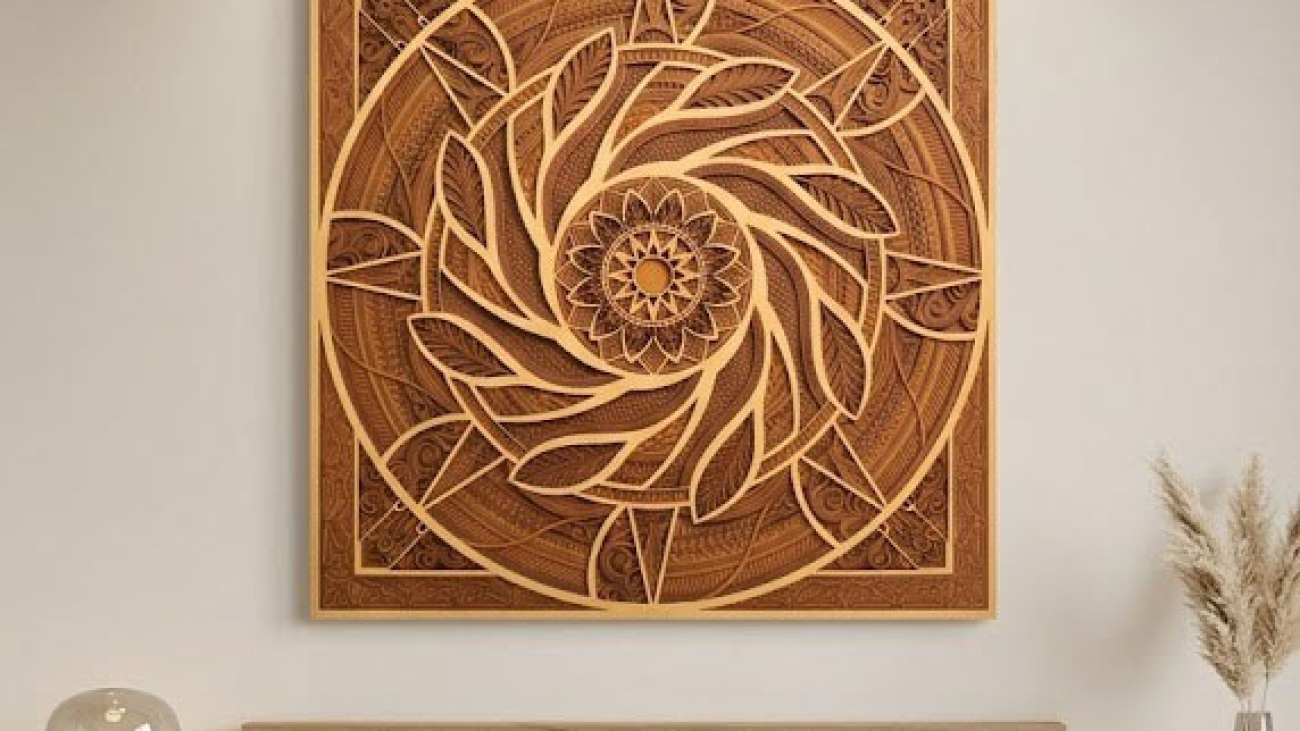
Mandala wall art brings these intricate patterns into the home as a decorative focal point. Depending on the design, it can work with minimalist, bohemian, contemporary, Scandinavian, or eclectic interiors.

The versatility of the pattern is one of the reasons it works so well in modern homes.

1. UK Interiors Are Becoming More Personal

One of the biggest changes in contemporary interior design is the move away from spaces that look overly staged.

British Vogue’s 2026 interiors coverage highlights a growing preference for lived-in, personal homes and interiors that feel collected and meaningful rather than designed purely for photographs.

This creates an opportunity for distinctive artwork.

Instead of using generic decorative prints, homeowners can choose pieces that reflect their personality, interests, cultural appreciation, or preferred aesthetic.

Mandala designs can provide that individuality while remaining visually sophisticated.

2. Mandala Art Adds Personality Without Overwhelming a Room

Modern UK homes often use relatively simple furniture and neutral backgrounds.

Think:

  • Cream walls
  • Beige sofas
  • Natural wood
  • Soft grey furnishings
  • Linen textiles
  • Indoor plants
  • Simple lighting

While this creates a clean aesthetic, large areas of plain walls can sometimes feel unfinished.

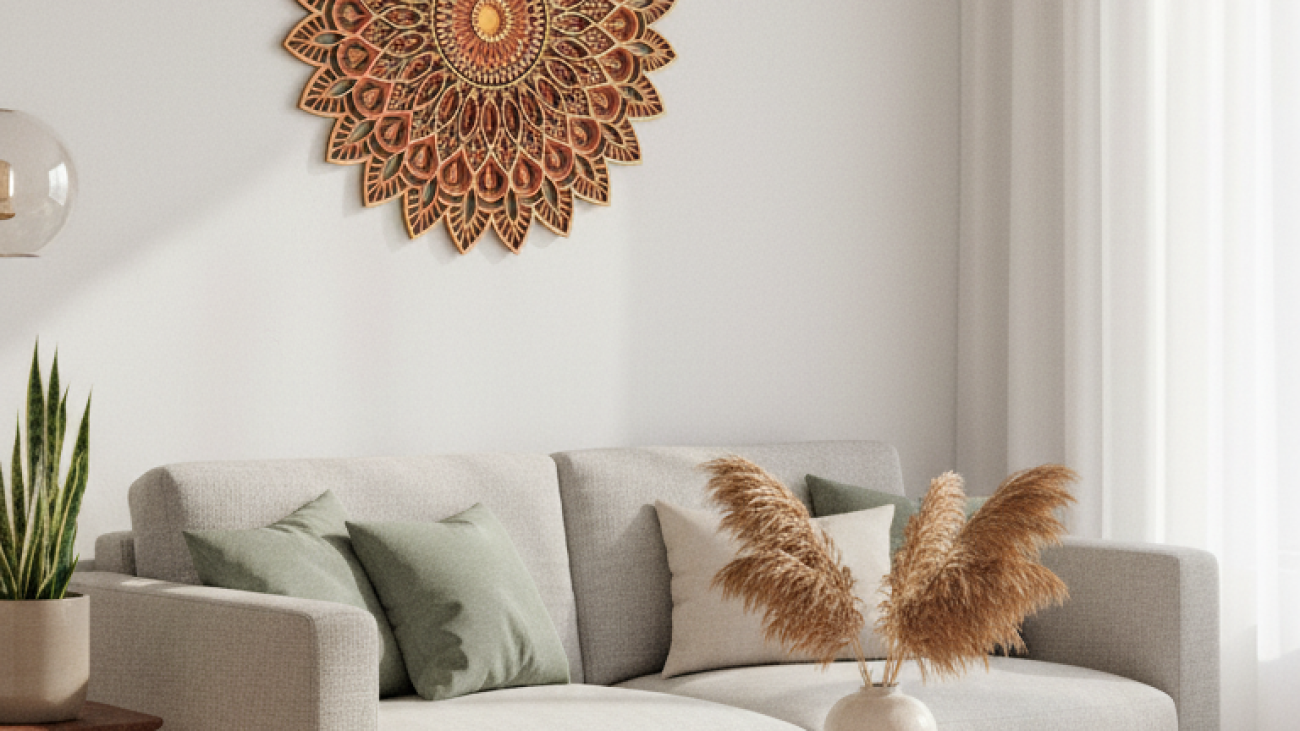
A detailed mandala can solve this problem by introducing pattern and visual interest without requiring major changes to the room.

A single statement piece can transform an otherwise simple wall into a focal point.

3. Warm and Earthy Colours Are Becoming More Popular

Colour trends are also changing in UK interiors.

The KBSA’s 2026 trend report highlights warmer and more uplifting palettes, including terracotta, clay, olive and sage green, soft sand, limestone neutrals, and rich brown tones.

These colours work naturally with many mandala designs.

For example, an earthy mandala can complement:

  • A cream sofa
  • Oak furniture
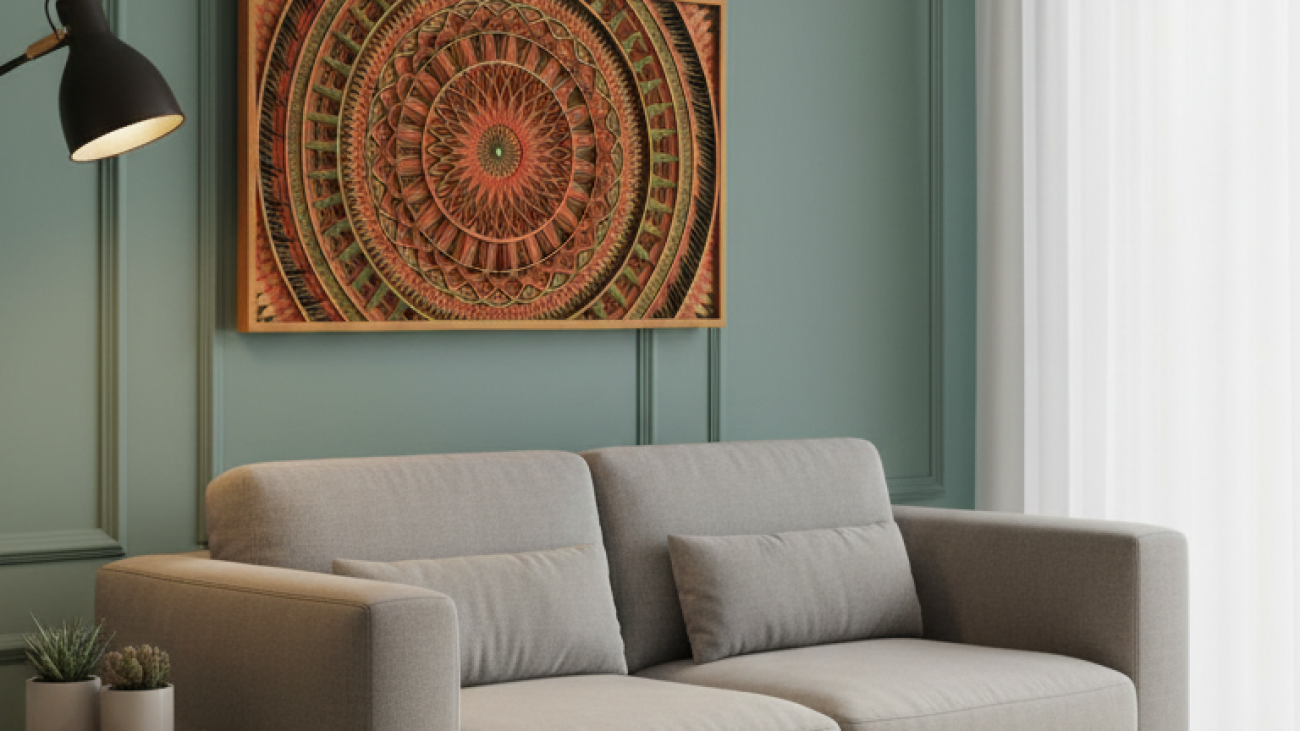
  • Sage-green walls
  • Terracotta accessories
  • Natural woven textures

This makes mandala wall art particularly suitable for the warmer, more grounded direction of current interiors.

4. Natural Materials Are Influencing Home Décor

Another strong UK interior trend is the use of natural and tactile materials.

Design professionals are increasingly incorporating materials such as oak, walnut, linen, wool, stone, and other natural textures to make interiors feel warmer and more authentic.

Mandala artwork can complement this aesthetic beautifully.

For example, a wooden mandala displayed against a neutral wall can combine:

Natural material + intricate craftsmanship + modern styling

This creates an interesting contrast between organic textures and geometric patterns.

5. Wellness Is Becoming Part of Interior Design

Today’s home is not only a place to live. It is increasingly being designed as a place to rest, recharge, and feel comfortable.

B&Q’s 2026 consumer research found that 87% of respondents view their home as a sanctuary from the outside world, while 93% said creating a relaxing and calming home was important when making design decisions.

Similarly, UK design sources continue to highlight wellness-led interiors, including calming bedrooms, meditation spaces, natural materials, and environments designed around relaxation.

This is where mandala artwork can become more than a decorative feature.

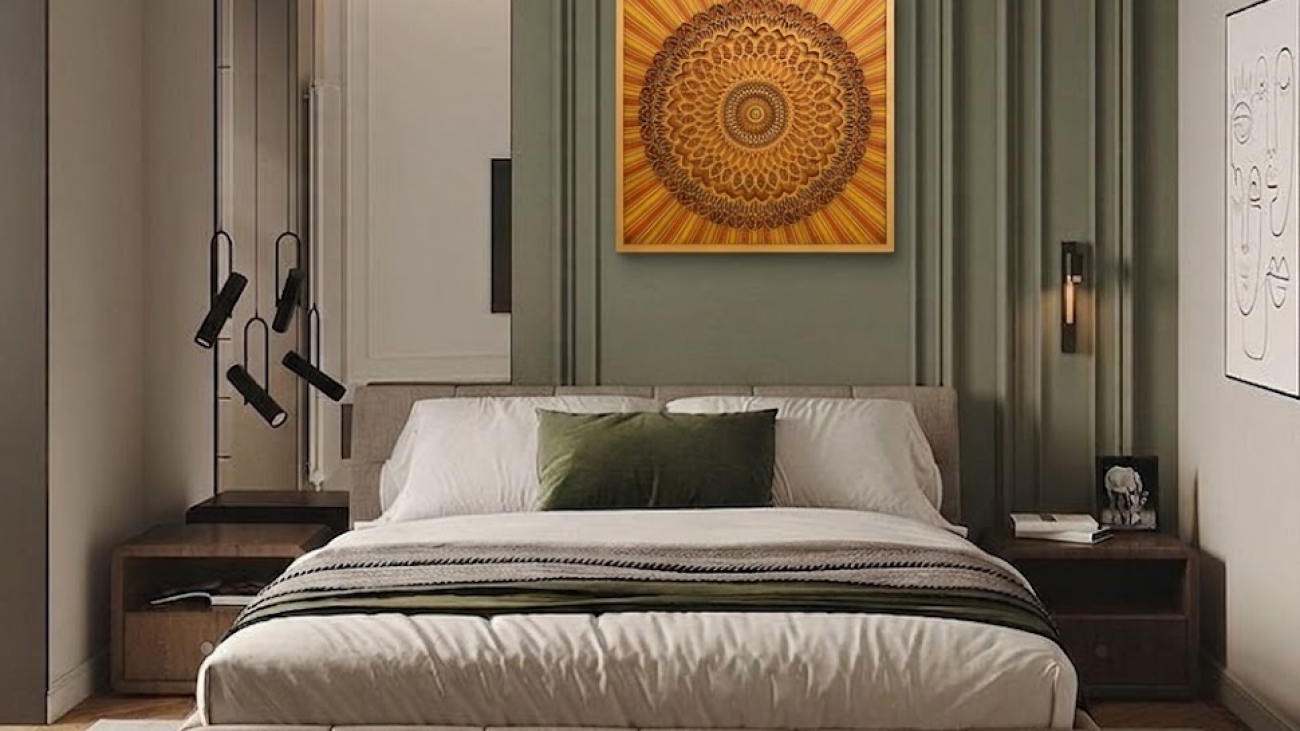
Its symmetrical patterns can contribute to a visually balanced environment, making it suitable for spaces such as:

  • Bedrooms
  • Meditation corners
  • Yoga areas
  • Reading spaces
  • Home offices
  • Relaxation areas

It’s important to distinguish between design symbolism and scientific claims, however. A mandala may feel calming or meaningful to an individual, but artwork itself should not be presented as a medical or therapeutic treatment.

6. Intricate Wall Art Works With Minimalist Interiors

Minimalism does not have to mean completely empty walls.

In fact, a carefully selected piece of detailed artwork can make a minimalist room feel more complete.

The contrast is what makes it work.

Imagine a simple room with:

  • A neutral sofa
  • A wooden coffee table
  • Minimal accessories
  • Soft lighting
  • One large mandala artwork

The artwork becomes the visual centre of the room without requiring lots of additional decoration.

This is especially useful for homeowners who like minimalist interiors but still want their homes to feel warm and individual.

7. Mandala Designs Work Across Different Interior Styles

Another reason mandala wall art is trending is its versatility.

Modern Interiors

Choose clean patterns with black, white, neutral, or metallic tones.

Bohemian Interiors

Look for intricate designs combined with earthy colours, plants, textiles, and natural materials.

Scandinavian Interiors

Choose simple mandala designs and pair them with light wood, neutral colours, and uncluttered surroundings.

Japandi-Inspired Interiors

A restrained mandala design can work with warm wood, soft neutrals, and natural textures.

Eclectic Interiors

Bold mandalas can become part of a layered gallery wall featuring different artistic styles.

This flexibility means homeowners don’t need to completely change their interior style to introduce mandala artwork.

8. Wall Art Is Becoming More Expressive

The growing interest in expressive wall décor is also important.

Recent UK wall-art reporting points towards strong interest in distinctive, personality-led artwork, while Ideal Home has highlighted increasing demand for more artistic and expressive wall treatments.

This reflects a broader change in how homeowners approach decoration.

Instead of asking only:

“What is fashionable?”

People are increasingly asking:

“What represents me and my home?”

Mandala artwork fits naturally into this approach because every design can create a different visual and emotional impression.

9. Mandala Art Can Create a Strong Focal Point

Every well-designed room benefits from a visual focal point.

Without one, the eye may move around the space without settling anywhere.

A large mandala can provide that focal point.

Consider placing one above:

  • A sofa
  • A bed
  • A dining table
  • A console table
  • A fireplace
  • An entryway

For larger walls, one statement mandala can sometimes be more effective than several unrelated small decorations.

The key is proportion. The artwork should be large enough to relate to the furniture and wall without making the room feel crowded.

10. It Combines Traditional Inspiration With Contemporary Décor

One of the most appealing qualities of mandala artwork is the ability to connect traditional artistic inspiration with modern interiors.

A contemporary home can contain clean furniture and modern lighting while still incorporating artwork inspired by traditional geometric patterns.

This creates a sense of depth and storytelling.

For homeowners who appreciate Indian-inspired décor but don’t want their interiors to feel traditionally styled, a contemporary mandala can offer a balanced approach.

How to Style Mandala Wall Art in a UK Home

If you’re considering adding mandala artwork to your home, start with the room rather than the artwork.

Choose the Right Size

A large wall generally benefits from a larger statement piece, while smaller rooms may work better with medium-sized artwork.

Consider Your Existing Colours

Look at your sofa, walls, curtains, rugs, and furniture before selecting the artwork.

Keep the Surroundings Simple

If the mandala is highly detailed, avoid placing too many competing patterns around it.

Use Natural Textures

Wood, linen, wool, rattan, and plants can complement mandala designs beautifully.

Think About Placement

Above a sofa, bed, dining table, or console are popular choices, but the best location depends on your room layout.

Is Mandala Wall Art Just a Trend?

Not necessarily.

While specific colours and interior styles change, the fundamental appeal of mandala artwork comes from its combination of pattern, symmetry, craftsmanship, and visual symbolism.

Current UK interiors are increasingly focused on personal expression, warmth, natural materials, wellness, and meaningful decoration.

Those qualities are broader than a single seasonal trend.

That means a well-chosen mandala can potentially remain relevant even as other décor trends change.

Final Thoughts

So, why is mandala wall art trending in UK home décor?

The answer isn’t simply because mandalas are fashionable.

They fit several important directions in modern interior design: personalisation, expressive wall décor, natural materials, warmer colour palettes, calming spaces, and meaningful interiors.

Whether you choose a bold statement piece for your living room or a subtle design for your bedroom, mandala artwork can add pattern and personality while complementing contemporary UK interiors.

For homeowners looking to make their spaces feel more personal and visually interesting, mandala wall art offers a versatile way to combine artistic detail with modern home décor.

Explore the Nivaas Art collection to discover mandala-inspired artwork for your home.

Frequently Asked Questions

1. Why is mandala wall art popular in the UK?

Mandala wall art fits current preferences for personalised, expressive, warm, and visually interesting interiors. Its intricate patterns can complement both minimalist and more layered decorating styles.

2. Does mandala wall art suit modern interiors?

Yes. Simple or contemporary mandala designs can work particularly well with modern furniture, neutral walls, natural materials, and minimalist décor.

3. Where should I hang mandala wall art?

Popular locations include living rooms, bedrooms, hallways, dining areas, home offices, and meditation spaces. Choose a position where the artwork can act as a focal point without competing with other décor.

4. What colours work best with mandala wall art?

Earthy colours, warm neutrals, sage green, terracotta, brown, black, white, and muted metallic tones can work well with many modern UK interiors. The best choice depends on your existing colour palette.

5. Can mandala wall art work in a minimalist home?

Absolutely. A single detailed mandala can add visual interest to a minimalist room while allowing the rest of the décor to remain clean and uncluttered.

6. Is mandala wall art suitable for a bedroom?

Yes. A thoughtfully selected design can complement a calm bedroom aesthetic, particularly when paired with soft colours, natural materials, and simple décor.
Best Mandala Wall Art Ideas for Modern UK Homes

Best Mandala Wall Art Ideas for Modern UK Homes

Mandala wall art is becoming a popular choice for homeowners who want to bring art, balance, and personality into their interiors. With its intricate patterns, symbolic details, and calming visual appeal, mandala artwork can complement everything from minimalist flats to contemporary family homes.

For UK homeowners, the beauty of mandala art is its versatility. It can work as a statement piece in a living room, a calming feature in a bedroom, or an elegant accent in a hallway. Whether your interior style is modern, bohemian, Scandinavian, or eclectic, the right mandala can enhance the space without making it feel overwhelming.

In this guide, we explore some of the best mandala wall art ideas for modern UK homes, along with practical tips for choosing the right size, placement, colours, and style.

What Is Mandala Wall Art?

A mandala is a geometric design traditionally associated with balance, unity, and harmony. The word “mandala” originates from Sanskrit and broadly refers to a circle.

Today, mandala designs are used in many forms of decorative art. Mandala wall art combines these intricate patterns with contemporary materials, colours, and artistic techniques, making it suitable for modern interiors.

The symmetrical appearance of mandalas can create a natural focal point while adding visual interest to otherwise simple walls.

Why Choose Mandala Wall Art for a Modern UK Home?

Modern interiors often focus on clean lines, neutral colours, and uncluttered spaces. While this creates an elegant look, it can sometimes feel too plain.

A carefully selected mandala can introduce pattern and character while maintaining a sophisticated appearance.

Here are some reasons to consider mandala artwork for your home:

  • Adds an artistic focal point
  • Complements minimalist interiors
  • Introduces pattern without excessive decoration
  • Works with neutral and bold colour palettes
  • Can create a calming atmosphere
  • Suitable for different rooms and interior styles
  • Makes a distinctive decorative or housewarming gift

The key is choosing artwork that complements your existing décor rather than competing with it.

1. Create a Statement Wall in the Living Room

The living room is one of the best places to display mandala wall art.

If you have a large empty wall behind your sofa, consider using one large mandala as the main focal point. A detailed design can immediately draw attention and give the room a more finished appearance.

For modern UK interiors, consider pairing a statement mandala with:

  • Neutral sofas
  • Natural wood furniture
  • Soft lighting
  • Minimal decorative accessories
  • Beige, cream, grey, or earthy tones

A large circular design can also soften the straight lines commonly found in contemporary furniture.

2. Choose Neutral Mandala Art for Minimalist Interiors

Minimalist homes do not necessarily need completely plain walls. Instead, choose artwork that adds detail while maintaining a restrained aesthetic.

Black, white, beige, grey, and natural wood tones can work particularly well in minimalist spaces.

A monochromatic mandala can provide texture and visual interest without introducing too many competing colours.

This approach is particularly useful if your home already has a neutral palette.

3. Add Mandala Art to the Bedroom

The bedroom should feel comfortable, peaceful, and personal.

A carefully selected mandala can help create a visually calming environment. Consider placing a medium or large design above the bed or on a feature wall.

Soft colours such as:

  • Sage green
  • Cream
  • Terracotta
  • Beige
  • Soft blue
  • Warm brown

can complement a relaxing bedroom palette.

Avoid choosing an artwork that feels visually too busy if your main goal is to create a restful atmosphere.

4. Use Mandala Wall Art in a Meditation Corner

If you have a small meditation, yoga, or mindfulness area at home, mandala artwork can make a natural decorative addition.

Place the artwork where it can become a visual point of focus during quiet moments.

You can complement it with:

  • A comfortable meditation cushion
  • Indoor plants
  • Soft lighting
  • Natural textures
  • Candles or decorative objects

The goal is not to overcrowd the area. A simple arrangement can create a more intentional and peaceful corner.

5. Try Large Mandala Wall Art for Open Spaces

Large open-plan homes can sometimes have walls that feel empty despite having plenty of furniture.

Instead of filling the wall with multiple small decorations, consider one large mandala wall art piece.

Large artwork can help define a particular area within an open-plan room while creating a strong visual anchor.

For example, a large mandala can work above a dining table, behind a sofa, or on a prominent entrance wall.

Expert Tip

Before purchasing large artwork, measure both the wall and the furniture below it. The artwork should generally feel proportionate to its surroundings rather than appearing too small or oversized.

6. Combine Mandala Art With Natural Materials

Modern UK interiors often incorporate natural materials such as wood, rattan, linen, stone, and plants.

Mandala designs can work beautifully alongside these textures.

For example, a wooden mandala displayed against a neutral wall can create warmth without making the room feel heavily decorated.

You can also combine mandala artwork with:

  • Woven baskets
  • Wooden furniture
  • Indoor greenery
  • Linen curtains
  • Natural rugs

This combination works especially well for contemporary, rustic, and bohemian-inspired interiors.

7. Use Mandala Art in Hallways and Entryways

The hallway is often overlooked when decorating a home.

However, it is the first area guests see when they enter your property. A well-positioned piece of mandala art can make a simple entrance feel more welcoming.

For narrow hallways, choose a medium-sized design that does not make the space feel crowded.

For larger entrance areas, a statement piece can create an impressive first impression.

8. Create a Mandala Gallery Wall

If you prefer a more creative approach, consider creating a gallery wall using several complementary mandala designs.

Rather than randomly combining artwork, choose a consistent theme.

For example, you could use:

  • Similar colour tones
  • Different mandala patterns
  • Consistent framing
  • Varying artwork sizes
  • One dominant design with smaller supporting pieces

A gallery wall works particularly well in living rooms, stairways, home offices, and larger hallways.

9. Choose Mandala Art That Complements Your Colour Scheme

Colour is one of the most important considerations when choosing wall art.

Instead of selecting artwork based only on the design, look at the colours already present in your room.

For example:

Interior ColourSuitable Mandala Tones
Beige & CreamEarthy, Brown, Gold
GreyBlack, White, Silver
GreenNatural, Gold, Beige
WhiteAlmost Any Palette
TerracottaCream, Brown, Warm Gold
NavyWhite, Gold, Neutral

The artwork does not need to exactly match your furniture. It simply needs to complement the existing palette.

10. Choose the Right Size for Your Wall

Size can dramatically affect how your mandala wall art looks.

A small artwork on a large empty wall may appear disconnected, while an oversized piece in a small room can dominate the space.

Before buying, measure the available wall area and consider the furniture around it.

For example:

  • Small artwork: Ideal for shelves, narrow walls, and small rooms
  • Medium artwork: Suitable above consoles and beds
  • Large artwork: Best for statement walls and open spaces
  • Multiple pieces: Great for gallery walls and larger areas

Proportion is more important than simply choosing the largest available artwork.

How to Style Mandala Wall Art Without Overcrowding Your Home

Because mandala designs can contain intricate patterns, balance is important.

If your artwork is detailed, keep surrounding décor relatively simple. Avoid placing too many competing patterns directly next to it.

A useful styling principle is:

Detailed artwork + simple surroundings = balanced interior.

For example, if you choose an intricate mandala for your living room, pair it with neutral furniture and a limited number of decorative accessories.

This allows the artwork to remain the centre of attention.

Where Should You Place Mandala Wall Art?

The ideal location depends on the size and purpose of the artwork.

Popular placement options include:

  • Above the sofa
  • Above the bed
  • Above a dining table
  • In the entrance hallway
  • On a living room feature wall
  • In a home office
  • Inside a meditation space
  • Along a staircase

Hang the artwork at a comfortable viewing height and make sure it relates visually to the furniture below it.

How to Choose Mandala Wall Art for Your Interior Style

Different mandala designs can suit different interior aesthetics.

Modern

Choose clean patterns, restrained colours, and simple presentation.

Bohemian

Look for detailed patterns, earthy colours, natural textures, and layered décor.

Scandinavian

Choose minimal mandala designs with neutral colours and simple surroundings.

Contemporary

Consider bold designs that contrast with clean furniture and modern architectural details.

Eclectic

Mix different patterns and artistic styles while keeping a consistent colour connection.

Why Mandala Wall Art Makes a Meaningful Home Décor Choice

Beyond its decorative appeal, mandala art has a long association with concepts such as balance, wholeness, and harmony.

For many people, these symbolic qualities make mandala artwork more meaningful than ordinary decorative prints.

However, the meaning of a mandala can vary depending on its cultural, spiritual, and artistic context. It is best to appreciate mandala art respectfully and understand that contemporary decorative interpretations may differ from traditional uses.

Final Thoughts

The best mandala wall art ideas for modern UK homes are those that balance artistic expression with the existing style of the room.

Whether you choose a large statement design for your living room, a calming piece for your bedroom, or a smaller artwork for your hallway, consider the artwork’s size, colour, placement, materials, and relationship with the surrounding décor.

Mandala wall art can add personality to minimalist interiors, warmth to contemporary spaces, and visual interest to neutral rooms. With thoughtful styling, it can become more than a decoration, it can become a distinctive focal point within your home.

If you’re looking for unique artwork for your space, explore Nivaas Art’s collection of mandala wall art to find designs that complement your interior and personal style.

Frequently Asked Questions

1. Is mandala wall art suitable for modern homes?

Yes. Mandala wall art can work particularly well in modern homes because its geometric patterns complement clean architectural lines while adding texture and visual interest.

2. Where should I hang mandala wall art?

Popular locations include living rooms, bedrooms, hallways, dining areas, home offices, and meditation spaces. The ideal placement depends on the artwork’s size and the room’s layout.

3. What colour mandala art is best for a neutral room?

Neutral rooms can accommodate many colour combinations. Black, white, beige, earthy tones, gold, and muted colours can all complement neutral interiors.

4. Can mandala wall art work in a small room?

Absolutely. Choose a proportionate design and avoid overcrowding the surrounding area. A carefully positioned medium or small mandala can add personality without making the room feel smaller.

5. Is mandala wall art a good housewarming gift?

Yes. Mandala artwork can be a thoughtful housewarming gift because it combines decorative appeal with symbolism associated with balance and harmony.

10 Benefits of Mandala Wall Art for Your Home and Mind

10 Benefits of Mandala Wall Art for Your Home and Mind

Creating a home that feels peaceful, stylish, and welcoming has become a priority for many homeowners across the UK. Interior design today is not only about aesthetics but also about creating spaces that promote comfort, mindfulness, and emotional well-being.

One decorative element that continues to gain popularity is Mandala Wall Art. Inspired by ancient geometric patterns, mandalas represent balance, harmony, and unity. Whether handcrafted from wood or designed with intricate artistic details, Mandala Wall Art effortlessly combines timeless beauty with meaningful symbolism.

From modern apartments in London to countryside homes across the UK, homeowners are choosing mandala-inspired décor to enhance both their interiors and their state of mind.

In this guide, we’ll explore ten powerful benefits of Mandala Wall Art and why it deserves a place in every modern home.

What is Mandala Wall Art?

A mandala is a circular geometric design that symbolises wholeness, harmony, and the connection between the mind and the universe. Originating from ancient spiritual traditions, mandalas are now widely appreciated as decorative art that brings elegance and positive energy into living spaces.

Today’s Handmade Mandala Wall Art blends traditional craftsmanship with contemporary interior design, making it suitable for homes of every style, from minimalist and Scandinavian interiors to luxury and bohemian décor.

Top Benefits of Mandala Wall Art

1. Creates a Calm and Relaxing Atmosphere

One of the biggest reasons homeowners choose Mandala Wall Art is its calming visual appeal.

The perfectly balanced patterns naturally draw the eye towards the centre, helping create a sense of peace and relaxation.

Whether placed in your:

  • Living room
  • Bedroom
  • Meditation room
  • Reading corner
  • Home office

mandala designs encourage mindfulness and reduce visual clutter.

For people with busy lifestyles, adding meaningful artwork can help create a peaceful environment after a long day.

2. Enhances Your Interior Design

Beautiful artwork instantly transforms plain walls into attractive focal points.

Unlike ordinary decorative pieces, Handmade Mandala Wall Art combines artistic craftsmanship with elegant detailing that complements many interior styles.

It pairs beautifully with:

  • Modern interiors
  • Contemporary homes
  • Bohemian décor
  • Scandinavian design
  • Minimalist spaces
  • Luxury interiors

Whether your walls are neutral or colourful, mandala artwork adds sophistication without overwhelming the room.

3. Adds Positive Energy to Your Home

Many homeowners believe mandalas symbolise balance, positivity, and spiritual wellness.

Although their significance varies across cultures, circular patterns often represent harmony and completeness, making them a popular choice for wellness-inspired interiors.

Many people place Mandala Wall Art near:

  • Entrance areas
  • Meditation spaces
  • Prayer rooms
  • Living rooms

to create an inviting and peaceful atmosphere.

Even if you appreciate them purely for their artistic beauty, mandala designs naturally create a balanced visual environment.

4. Makes Small Spaces Feel More Attractive

Decorating compact homes or apartments can be challenging.

Large furniture may make rooms feel crowded, but carefully selected wall décor creates visual interest without occupying valuable floor space.

A beautifully crafted Wooden Mandala Wall Art piece can instantly elevate:

  • Hallways
  • Studio apartments
  • Small bedrooms
  • Dining corners
  • Home offices

This makes it an excellent investment for UK homeowners looking to maximise smaller living spaces.

5. Supports Mindfulness and Mental Well-being

Modern lifestyles are often filled with constant notifications, work commitments, and daily stress.

While artwork isn’t a substitute for professional mental health support, many people find that visually balanced designs encourage moments of reflection and relaxation.

Meditation practitioners frequently use mandala imagery as a focal point during mindfulness exercises because the repeating patterns can help maintain attention.

Displaying Mandala Wall Art in your favourite relaxation area can encourage a more mindful daily routine.

6. Improves Focus in Your Home Office

With remote and hybrid working becoming more common across the UK, creating a productive workspace has never been more important.

The symmetrical patterns found in Mandala Wall Art can help create a visually balanced environment that feels organised and inspiring. While artwork alone won’t improve concentration, a thoughtfully designed workspace can reduce distractions and make your office feel more inviting.

Place mandala wall décor:

  • Behind your desk
  • On the main feature wall
  • Near your reading corner
  • In your creative workspace

This simple addition can make your home office feel both stylish and calming.

7. A Timeless Home Décor Investment

Unlike seasonal décor trends that quickly go out of style, Mandala Wall Art has remained popular for centuries because of its artistic beauty and symbolic meaning.

Its versatility allows it to complement changing furniture styles and colour schemes, making it a long-term investment rather than a short-lived trend.

Whether you redecorate your home every few years or prefer a classic interior, mandala artwork continues to blend beautifully with modern and traditional spaces alike.

8. Makes a Thoughtful and Memorable Gift

Finding a meaningful gift can be difficult, especially for someone who appreciates home décor.

Handcrafted Mandala Wall Art makes an excellent gift for:

  • Housewarming celebrations
  • Weddings
  • Birthdays
  • Anniversaries
  • Christmas
  • Mother’s Day
  • Father’s Day

Unlike generic presents, handmade artwork carries a sense of craftsmanship and individuality, making it a memorable keepsake.

For businesses looking for premium gifting options, handcrafted mandala art can also serve as an elegant corporate gift that reflects quality and appreciation.

9. Supports Sustainable and Handmade Living

More UK homeowners are choosing handcrafted home décor over mass-produced products because they value quality, durability, and craftsmanship.

When you purchase Handmade Mandala Wall Art, you’re often supporting skilled artisans who dedicate time and expertise to creating unique designs.

Benefits of choosing handmade décor include:

  • High-quality craftsmanship
  • Unique designs
  • Long-lasting durability
  • Reduced reliance on mass production
  • More distinctive home interiors

Choosing handcrafted pieces allows you to decorate your home with artwork that feels authentic and personal.

10. Creates a Stunning Focal Point

Every beautifully designed room needs one element that immediately captures attention.

A large Mandala Wall Art piece naturally becomes the centrepiece of your living room, bedroom, dining area, or hallway.

Its intricate detailing, layered patterns, and elegant symmetry create visual depth that instantly enhances the overall look of your space.

Whether you choose a natural wooden finish or a contemporary design, mandala artwork adds sophistication without overpowering the room.

Why Handmade Mandala Wall Art Is Worth Choosing?

Choosing handcrafted décor offers benefits beyond appearance.

Unlike mass-produced decorations, handmade artwork reflects skilled craftsmanship, attention to detail, and uniqueness.

Each handcrafted piece has its own character, making your home feel more personal and distinctive.

Benefits include:

  • Superior craftsmanship
  • Unique artistic details
  • Long-lasting quality
  • Premium finish
  • Timeless appeal
  • Thoughtful design

For homeowners looking for elegant décor that stands the test of time, handmade wall art offers excellent value.

Choosing the Right Mandala Wall Art for Your Home

Before buying, consider:

Room Size

Choose larger designs for spacious living rooms and smaller pieces for bedrooms or hallways.

Colour Palette

Select colours that complement your furniture and existing décor.

Material

Wooden designs offer warmth, while metal or layered finishes create a more contemporary appearance.

Placement

Position your artwork where it naturally becomes the focal point of the room, such as above a sofa, bed, console table, or fireplace.

For premium handcrafted designs, explore our Mandala Wall Art Collection to discover unique pieces created to complement modern UK homes.

Conclusion

Decorating your home is about more than simply filling empty walls—it’s about creating a space that reflects your personality and supports your everyday lifestyle.

From enhancing your interior design and creating a calming atmosphere to adding timeless elegance and supporting artisan craftsmanship, Mandala Wall Art offers benefits that go far beyond decoration.

For premium handcrafted designs, explore our Mandala Wall Art Collection to discover unique pieces created to complement modern UK homes.

If you’re ready to transform your home, browse our Mandala Wall Art Collection and discover handcrafted pieces designed to inspire beautiful living spaces across the UK.

Frequently Asked Questions

1. What does Mandala Wall Art symbolise?

Mandala Wall Art traditionally symbolises harmony, balance, unity, and completeness. Many people also appreciate it for its calming geometric patterns and timeless artistic appeal.

2. Is Mandala Wall Art suitable for modern homes?

Yes. Mandala Wall Art complements modern, minimalist, Scandinavian, bohemian, and contemporary interiors, making it a versatile choice for UK homes.

3. Where should I hang Mandala Wall Art?

Popular locations include the living room, bedroom, hallway, home office, dining room, and meditation space. Place it where it naturally becomes the room’s focal point.

4. Why should I choose handmade Mandala Wall Art?

Handmade pieces offer superior craftsmanship, unique detailing, long-lasting quality, and a distinctive look that mass-produced décor often cannot match.

5. Is Mandala Wall Art a good gift?

Absolutely. It makes a thoughtful gift for housewarmings, weddings, birthdays, anniversaries, festive occasions, and corporate gifting because it combines beauty with lasting value.

How to Choose the Perfect Mandala Wall Art | Nivaas Art

How to Choose the Perfect Mandala Wall Art for Your Interior

Mandala wall art has become one of the most popular trends in modern interior design. Known for its intricate patterns, spiritual symbolism, and calming beauty, mandala art adds elegance, harmony, and positive energy to any living space. Whether you prefer a modern, bohemian, minimalist, or traditional interior style, mandala wall décor can transform ordinary walls into stunning focal points.

However, choosing the perfect mandala wall art for your interior requires more than simply selecting a beautiful design. The right mandala artwork should complement your room’s color palette, furniture style, lighting, mood, and overall décor theme. From size and material to colors and placement, every detail matters when creating a balanced and visually appealing interior.

This guide will help you understand how to choose the perfect mandala wall art for your home while creating a peaceful, stylish, and SEO-friendly interior design experience.


What is Mandala Wall Art?

The word “mandala” comes from the ancient Sanskrit language and means “circle.” Mandalas are symmetrical geometric patterns that symbolize harmony, balance, unity, and spiritual connection.

Mandala wall art includes:

  • Canvas paintings
  • Wooden carvings
  • Metal wall décor
  • Tapestries
  • Wall murals
  • Printed artwork
  • Hand-painted designs

Because of their balanced patterns and artistic details, mandalas create a calming and visually attractive atmosphere in homes, offices, yoga studios, and meditation spaces.


Why Mandala Wall Art is Popular in Interior Design

Mandala wall art has become highly popular because it combines beauty with emotional and spiritual meaning. Modern homeowners want interiors that feel:

  • Relaxing
  • Personalized
  • Peaceful
  • Creative
  • Stylish

Mandala art naturally creates these feelings through its symmetrical and harmonious designs.

Benefits of mandala wall art include:

  • Enhancing visual appeal
  • Creating peaceful environments
  • Promoting mindfulness
  • Adding artistic personality
  • Improving room balance
  • Supporting wellness-inspired interiors

Its versatility makes it suitable for almost every interior style.


Understand Your Interior Design Style

Before choosing mandala wall art, it is important to understand your interior style. Different mandala designs work better with specific décor themes.

Bohemian Interiors

Boho-style homes pair beautifully with colorful and detailed mandala artwork.

Best choices:

  • Multicolor mandalas
  • Tapestries
  • Handmade designs
  • Ethnic-inspired patterns
  • Earth-tone backgrounds

Bohemian interiors often include layered textures, plants, and artistic accessories, making vibrant mandalas an excellent choice.


Minimalist Interiors

Minimalist spaces require clean and simple mandala designs.

Best choices:

  • Black and white mandalas
  • Neutral-tone artwork
  • Geometric line patterns
  • Simple circular designs

Minimalist mandalas create elegance without overwhelming the space.


Modern Interiors

Modern homes often feature sleek furniture and neutral color palettes.

Best choices:

  • Metallic mandala wall art
  • Abstract mandala designs
  • Large statement pieces
  • Monochrome color schemes

Modern mandalas create sophisticated focal points while maintaining contemporary aesthetics.


Traditional Interiors

Traditional interiors work well with classic and spiritual mandala designs.

Best choices:

  • Wooden carved mandalas
  • Gold accents
  • Hand-painted artwork
  • Lotus-inspired patterns

These styles add warmth and cultural richness to traditional homes.


Choose the Right Size of Mandala Wall Art

Size is one of the most important factors when selecting wall décor. The wrong size can make a room feel unbalanced.

Large Mandala Wall Art

Large mandala pieces work best for:

  • Living rooms
  • Bedrooms
  • Dining spaces
  • Entryways

Oversized mandalas create dramatic focal points and instantly attract attention.

Ideal Placement:

  • Above sofas
  • Behind beds
  • Over fireplaces
  • Large empty walls

Large designs make rooms feel artistic and luxurious.


Medium-Sized Mandala Art

Medium pieces are ideal for:

  • Hallways
  • Home offices
  • Reading corners
  • Small living spaces

They provide visual interest without dominating the room.


Small Mandala Décor

Small mandalas work beautifully in:

  • Gallery walls
  • Shelves
  • Meditation corners
  • Compact apartments

Combining multiple small mandala pieces can create a stylish artistic arrangement.


Match Mandala Colors with Your Interior

Color coordination is essential for creating a harmonious interior.

Neutral Color Mandalas

Neutral shades like:

  • Beige
  • White
  • Grey
  • Brown
  • Black

work perfectly in modern and minimalist interiors.

They create calmness and sophistication while blending naturally with furniture and wall colors.


Vibrant Mandala Colors

Bright mandalas add energy and creativity.

Popular vibrant combinations include:

  • Blue and gold
  • Pink and orange
  • Turquoise and yellow
  • Purple and red

These are ideal for bohemian and eclectic spaces.


Soft Pastel Mandalas

Pastel shades create peaceful and elegant interiors.

Best for:

  • Bedrooms
  • Meditation spaces
  • Scandinavian interiors
  • Wellness-inspired homes

Soft colors help create emotional comfort and relaxation.


Select the Right Material

Mandala wall art comes in various materials, each creating a different aesthetic.

Canvas Mandala Art

Canvas prints are highly popular because they are:

  • Lightweight
  • Affordable
  • Stylish
  • Easy to maintain

They suit almost every décor style.


Wooden Mandala Wall Art

Wooden mandalas add:

  • Warmth
  • Natural beauty
  • Rustic charm
  • Handmade elegance

Perfect for:

  • Bohemian homes
  • Rustic interiors
  • Nature-inspired spaces

Metal Mandala Wall Décor

Metal mandalas create a modern and luxurious appearance.

Benefits include:

  • Durability
  • Elegant texture
  • Contemporary style

They work especially well in modern living rooms and offices.


Fabric Mandala Tapestries

Tapestries create soft and artistic wall decoration.

Ideal for:

  • Bedrooms
  • Meditation spaces
  • Dorm rooms
  • Bohemian interiors

Fabric mandalas add comfort and texture to walls.


Consider the Spiritual Meaning

Many homeowners choose mandala art because of its spiritual symbolism.

Different mandala patterns can represent:

  • Peace
  • Growth
  • Harmony
  • Protection
  • Healing
  • Positive energy

Choosing artwork with personal meaning makes your interior feel more emotionally connected and meaningful.

Lotus mandalas, for example, symbolize spiritual awakening and purity, making them perfect for meditation spaces.


Choose the Perfect Placement

Correct placement enhances the visual impact of mandala wall art.

Living Room Placement

The living room is one of the best spaces for large mandala wall décor.

Popular placements:

  • Above the sofa
  • Center wall
  • Fireplace area

Mandala art creates warmth and elegance in social spaces.


Bedroom Placement

Bedrooms benefit from calming mandala designs.

Best placement:

  • Above the bed
  • Opposite the bed
  • Reading corner

Choose soothing colors for restful energy.


Meditation or Yoga Room

Mandalas naturally fit wellness spaces.

Best placement:

  • Center wall
  • Eye-level meditation focus point

This encourages concentration and mindfulness.


Entryway Placement

A mandala near the entrance creates a welcoming and positive first impression.

It symbolizes:

  • Harmony
  • Positive energy
  • Peaceful home atmosphere

Balance Mandala Art with Furniture

Mandala wall art should complement—not overpower—your furniture and accessories.

Tips:

  • Match shapes and tones
  • Avoid excessive patterns
  • Keep visual balance
  • Use surrounding décor thoughtfully

If your room already contains bold furniture or colorful rugs, choose simpler mandala designs.

For neutral interiors, detailed mandalas can become statement pieces.


Consider Lighting

Lighting affects how mandala wall art appears in your home.

Natural Lighting

Natural light enhances:

  • Colors
  • Textures
  • Artistic details

Large windows help mandala artwork feel vibrant and alive.


Warm Lighting

Warm lighting creates:

  • Cozy atmosphere
  • Spiritual ambiance
  • Relaxing mood

This works especially well with wooden or gold-toned mandalas.


Spotlighting

Focused lighting highlights intricate patterns and creates a gallery-style appearance.

Perfect for statement wall art.


Mix Mandalas with Natural Elements

Mandala art pairs beautifully with natural décor elements such as:

  • Indoor plants
  • Wooden furniture
  • Bamboo décor
  • Cotton fabrics
  • Stone textures

This combination creates peaceful and wellness-focused interiors.

Nature-inspired styling enhances the calming effect of mandala patterns.


Decide Between Handmade and Printed Art

Handmade Mandala Art

Handmade pieces offer:

  • Uniqueness
  • Artistic authenticity
  • Emotional value
  • Artisan craftsmanship

They are ideal for personalized interiors.


Printed Mandala Art

Printed artwork is:

  • Budget-friendly
  • Easily available
  • Consistent in design
  • Perfect for modern décor

Both options can look beautiful depending on your budget and style preferences.


Create a Gallery Wall with Mandalas

Gallery walls are becoming increasingly popular in interior design.

You can combine:

  • Different mandala sizes
  • Various colors
  • Inspirational quotes
  • Nature art
  • Mirrors

This creates a personalized artistic display full of visual interest.


Mandala Art for Small Spaces

Even small apartments can benefit from mandala wall décor.

Tips for small spaces:

  • Use light colors
  • Choose medium-sized artwork
  • Avoid overcrowding walls
  • Use vertical arrangements

Minimalist mandalas help compact rooms feel open and peaceful.


Benefits of Mandala Wall Art in Interiors

Choosing mandala wall art offers many benefits beyond aesthetics.

Emotional Benefits

  • Reduces stress
  • Promotes calmness
  • Encourages positivity

Visual Benefits

  • Enhances room beauty
  • Creates focal points
  • Adds artistic sophistication

Spiritual Benefits

  • Supports mindfulness
  • Creates harmony
  • Encourages peaceful energy

Trending Mandala Wall Art Styles

Popular modern mandala trends include:

  • 3D mandala wall art
  • Laser-cut wooden mandalas
  • Minimalist black-and-white mandalas
  • Metallic gold mandalas
  • Bohemian fabric tapestries
  • Oversized wall murals

These styles continue to grow in popularity across modern homes.


Conclusion

Choosing the perfect mandala wall art for your interior is about creating harmony between beauty, energy, and personal style. Mandalas are more than decorative pieces—they are symbols of peace, balance, positivity, and emotional comfort.

By selecting the right size, color, material, and placement, you can transform any room into a calming and visually stunning space. Whether your home is modern, bohemian, minimalist, or traditional, mandala wall art adds elegance and meaningful artistic expression.

From creating peaceful bedrooms to stylish living rooms and mindful meditation spaces, mandalas bring warmth, creativity, and spiritual harmony into everyday life. As interior design continues to focus on wellness and personalization, mandala wall art remains one of the most timeless and meaningful décor choices for modern homes.

Generated Image May 08, 2026 - 5_24PM

The Spiritual Meaning Behind Mandala Art

Mandala art is one of the most meaningful and spiritually rich forms of artistic expression in the world. Known for its intricate geometric patterns and mesmerizing circular designs, mandala art has been used for centuries in spiritual traditions, meditation practices, healing rituals, and sacred ceremonies. Today, mandalas are not only admired for their beauty but also valued for the deep spiritual meaning they represent.

In modern times, mandala art has become increasingly popular in home décor, wellness spaces, yoga studios, and mindfulness practices. People are drawn to mandalas because they symbolize peace, harmony, balance, and spiritual connection. Whether displayed as wall art, paintings, tattoos, tapestries, or meditation tools, mandalas continue to inspire emotional healing and inner calmness.

This article explores the spiritual meaning behind mandala art, its historical origins, symbolism, and how it influences emotional and spiritual well-being.


What is Mandala Art?

The word “mandala” comes from the ancient Sanskrit language and translates to “circle.” In spiritual traditions, the circle represents eternity, unity, wholeness, and the universe itself.

Mandala art typically consists of symmetrical geometric patterns arranged around a central point. Every line, shape, and pattern flows outward from the center, creating a balanced and harmonious design.

Spiritually, the center of a mandala symbolizes:

  • The beginning of life
  • Inner self
  • Universal energy
  • Spiritual awareness
  • Connection to the cosmos

The outer patterns represent growth, expansion, and the journey of life.

Because of this structure, mandalas are often seen as visual representations of spiritual balance and personal transformation.


Historical Origins of Mandala Art

Mandalas have existed for thousands of years and appear in many cultures and spiritual traditions around the world.

Hinduism

In Hindu spirituality, mandalas are used in meditation, rituals, temple architecture, and sacred ceremonies. They symbolize the universe and divine cosmic order.

Hindu mandalas often contain lotus flowers, geometric shapes, and sacred symbols representing spiritual growth and enlightenment.

Buddhism

In Buddhism, mandalas are deeply connected to meditation and mindfulness practices. Buddhist monks create highly detailed sand mandalas as part of spiritual rituals.

These mandalas represent:

  • Impermanence of life
  • Inner peace
  • Enlightenment
  • Balance between mind and spirit

After completion, many sand mandalas are destroyed to symbolize the temporary nature of existence.

Other Cultures

Mandala-like symbols also appear in:

  • Native American spiritual art
  • Celtic patterns
  • Christian rose windows
  • Islamic geometric art
  • Ancient tribal symbols

This widespread presence shows that circular sacred patterns have universal spiritual significance across human history.


Mandalas Symbolize Unity and Wholeness

One of the most important spiritual meanings behind mandala art is unity. Every part of a mandala is connected to the center, symbolizing how all aspects of life are interconnected.

Spiritually, mandalas remind us that:

  • Everything in the universe is connected
  • Life moves in cycles
  • Inner balance creates outer harmony
  • Human beings are part of a larger whole

The circular shape itself has no beginning or end, representing eternity and completeness.

This symbolism helps people feel spiritually grounded and emotionally connected to the world around them.


Represents Balance and Harmony

Mandala art is designed with perfect symmetry, which symbolizes spiritual and emotional balance.

In many spiritual traditions, balance is essential for achieving peace and enlightenment. Mandalas visually represent this harmony through equal patterns, flowing shapes, and centered designs.

Spiritually, mandalas encourage:

  • Mental clarity
  • Emotional stability
  • Inner peace
  • Calmness
  • Harmony between mind, body, and spirit

The balanced structure of mandalas creates a calming effect that naturally reduces stress and promotes mindfulness.


A Tool for Meditation and Mindfulness

Mandalas are widely used as meditation tools because they help focus the mind and guide spiritual awareness.

During meditation, people often gaze at mandala patterns to improve concentration and quiet mental distractions. The repetitive geometric designs help the brain relax and enter a peaceful state.

Meditating with mandalas can:

  • Improve focus
  • Reduce anxiety
  • Encourage mindfulness
  • Deepen spiritual connection
  • Promote emotional healing

The journey from the outer edges of the mandala toward the center symbolizes moving inward toward self-discovery and spiritual awakening.

This is why mandalas are commonly found in yoga studios, meditation rooms, and wellness spaces.


Symbol of Personal Growth and Transformation

Mandalas also represent personal growth and transformation. The expanding patterns symbolize life’s journey, spiritual evolution, and self-development.

Spiritually, the process of creating or observing mandala art reflects:

  • Inner healing
  • Emotional growth
  • Spiritual awakening
  • Self-awareness
  • Transformation through life experiences

Every layer of a mandala can symbolize different stages of personal growth.

Many people use mandala coloring, painting, or drawing as a form of self-expression and emotional therapy because it helps release stress and encourages inner reflection.


Connection Between Mandalas and the Universe

Mandalas are often described as symbolic maps of the universe. Their circular forms mirror natural patterns found throughout existence, including:

  • The sun
  • The moon
  • planets
  • flowers
  • snowflakes
  • galaxies

Spiritually, mandalas remind us that humans are connected to nature and the cosmos.

This connection creates feelings of:

  • Spiritual unity
  • Universal energy
  • Inner awareness
  • Cosmic balance

Many spiritual practitioners believe mandalas help align personal energy with universal harmony.


Mandala Colors and Their Spiritual Meanings

Colors play an important role in the spiritual meaning of mandala art. Different colors represent different emotions, energies, and spiritual qualities.

Blue

Represents peace, calmness, healing, and spiritual wisdom.

Green

Symbolizes growth, balance, renewal, and harmony with nature.

Yellow

Associated with positivity, happiness, creativity, and personal power.

Red

Represents strength, passion, courage, and life energy.

Purple

Linked to spirituality, intuition, and higher consciousness.

White

Symbolizes purity, peace, and spiritual enlightenment.

Black

Represents mystery, protection, and deep inner reflection.

The combination of colors within a mandala can influence the emotional and spiritual energy it creates.


Sacred Geometry in Mandala Art

Mandalas often include sacred geometry, which refers to geometric patterns believed to hold spiritual significance.

Sacred geometry reflects the mathematical harmony found in nature and the universe. Shapes commonly used in mandalas include:

  • Circles
  • Triangles
  • Squares
  • Lotus petals
  • Spirals

Each shape carries symbolic meaning:

  • Circles represent eternity and unity
  • Triangles symbolize transformation and energy
  • Squares represent stability and grounding
  • Spirals symbolize growth and evolution

These sacred patterns are believed to create spiritual balance and energetic harmony.


Emotional Healing Through Mandala Art

Mandala art is widely used in emotional healing practices because of its calming and therapeutic effects.

Creating or observing mandalas can help:

  • Reduce stress
  • Release emotional tension
  • Improve focus
  • Encourage self-expression
  • Promote relaxation

Art therapists often use mandala drawing exercises to help people process emotions and improve mental well-being.

The repetitive patterns and meditative nature of mandalas help quiet the mind and create emotional stability.


Mandalas in Modern Spiritual Practices

Today, mandalas are commonly used in modern wellness and spiritual lifestyles.

People incorporate mandala art into:

  • Meditation rooms
  • Yoga spaces
  • Healing centers
  • Spiritual rituals
  • Home décor
  • Journaling practices

Mandala tattoos are also popular because they symbolize personal growth, spiritual balance, and inner peace.

Today, people appreciate mandalas as universal symbols of mindfulness and emotional healing rather than associating them with a single religion.


Mandala Art in Home Décor

Many homeowners use mandala art to create peaceful and positive living environments. Many people believe that mandalas bring calming energy and emotional harmony into the home.

Popular mandala décor items include:

  • Wall art
  • Tapestries
  • Rugs
  • Cushions
  • Bedding
  • Murals
  • Wooden carvings

Mandala designs help create spaces that feel:

  • Relaxing
  • Balanced
  • Warm
  • Spiritually uplifting

This is why mandala-inspired interiors are becoming increasingly popular worldwide.


The Meaning of the Mandala Center

The center of a mandala holds deep spiritual significance. It represents:

  • Inner self
  • Soul consciousness
  • Source of energy
  • Spiritual awakening

The outward movement from the center symbolizes growth, exploration, and connection with the universe.

Spiritually, the center reminds us to stay grounded and connected to our true selves even while navigating life’s challenges.


Mandala Creation as a Spiritual Practice

Creating mandala art is considered a spiritual activity in many traditions. The process itself encourages mindfulness and self-reflection.

Drawing or painting mandalas can:

  • Calm the mind
  • Improve concentration
  • Release stress
  • Inspire creativity
  • Encourage emotional healing

Many people feel a deep sense of peace while creating mandalas because the repetitive patterns create a meditative rhythm.

This practice is often used as a form of art therapy and spiritual self-care.


Why Mandala Art Continues to Inspire People

Mandala art continues to inspire people because it combines beauty with deep spiritual meaning. In a world filled with stress and distractions, mandalas offer a sense of calmness, balance, and emotional comfort.

People are naturally drawn to mandalas because they:

  • Create visual harmony
  • Encourage mindfulness
  • Symbolize spiritual growth
  • Promote emotional healing
  • Represent universal connection

Their timeless symbolism makes mandalas meaningful across different cultures, beliefs, and lifestyles.


Conclusion

The spiritual meaning behind mandala art goes far beyond its beautiful patterns and decorative appeal. Mandalas symbolize unity, balance, harmony, mindfulness, and the journey toward inner peace. Their circular designs reflect the interconnected nature of life and the universe, while their symmetrical patterns promote emotional calmness and spiritual awareness.

For centuries, people have used mandalas in meditation, healing practices, and sacred rituals to support personal growth and spiritual transformation. Today, they continue to inspire people through art, wellness practices, and home décor.

Whether used for meditation, emotional healing, or simply to create a peaceful environment, mandala art remains a powerful symbol of positivity, self-discovery, and universal harmony.

sdsd

How Mandala Art Brings Peace and Positive Energy to Your Home

In today’s fast-paced world, creating a peaceful and positive home environment has become more important than ever. People are constantly searching for ways to reduce stress, improve mental well-being, and make their living spaces feel calm and inviting. One of the most beautiful and meaningful ways to achieve this is through mandala art.

Mandala art is more than just decorative artwork. It is a symbol of harmony, balance, mindfulness, and spiritual connection. With its intricate patterns, symmetrical shapes, and calming designs, mandala art has become increasingly popular in modern home décor. Whether displayed as wall paintings, tapestries, floor art, cushions, or murals, mandalas have the power to transform the energy of a home.

This article explores how mandala art brings peace and positive energy to your home while enhancing interior beauty and emotional well-being.


What is Mandala Art?

The word “mandala” originates from the ancient Sanskrit language and means “circle.” Mandalas are geometric patterns arranged in symmetrical forms that symbolize unity, wholeness, and the universe. Traditionally, mandalas have been used in spiritual practices, meditation, and healing rituals in cultures around the world.

The circular design of a mandala represents balance and infinity. Every pattern flows outward from the center, creating harmony and visual rhythm. Because of this structure, mandalas naturally create a calming effect on the human mind.

Today, mandala art is widely used in home décor because it combines spiritual meaning with modern artistic appeal.


Creates a Calm and Relaxing Atmosphere

One of the biggest reasons people use mandala art in home décor is its calming effect. The symmetrical and repetitive patterns help the mind feel organized and peaceful.

When you look at a mandala, your eyes naturally follow the balanced shapes and flowing designs. This visual experience creates a sense of relaxation and mental clarity. It helps reduce stress and anxiety while encouraging calm thoughts.

In busy households, mandala wall art can create a peaceful retreat where family members feel emotionally comfortable and relaxed. Bedrooms, meditation spaces, and living rooms especially benefit from the soothing presence of mandala designs.

Homes decorated with mandala artwork often feel:

  • More peaceful
  • Emotionally balanced
  • Warm and welcoming
  • Comfortable and calming

This peaceful atmosphere improves daily living and helps create emotional harmony within the home.


Promotes Positive Energy in the Home

Many people believe that mandalas attract positive energy because of their balanced geometric structure and spiritual symbolism. Mandalas represent unity, growth, harmony, and connection, which naturally encourages uplifting emotions.

Positive energy in home décor is important because our surroundings directly influence our mood and mindset. Mandala art helps create an environment filled with:

  • Positivity
  • Hope
  • Creativity
  • Emotional stability
  • Inner peace

The circular movement of mandala patterns symbolizes continuous energy flow, helping spaces feel more vibrant and alive. This is why mandalas are often used in meditation rooms, yoga studios, wellness centers, and peaceful living spaces.

Even without spiritual beliefs, many homeowners notice that mandala art creates a comforting and emotionally uplifting atmosphere.


Encourages Mindfulness and Meditation

Mandala art is deeply connected to mindfulness and meditation practices. Looking at mandala patterns can help calm racing thoughts and improve focus.

Many people use mandalas during meditation because the repetitive designs encourage concentration and mental stillness. In home settings, mandala décor can gently remind family members to slow down, relax, and stay present in the moment.

Creating a mindful home environment is especially valuable in today’s digital age where stress and distractions are common.

Adding mandala art to your home can help:

  • Improve focus
  • Reduce mental clutter
  • Support meditation practices
  • Encourage emotional awareness
  • Promote inner calmness

A simple mandala painting in a quiet corner can turn an ordinary space into a peaceful sanctuary for relaxation and reflection.


Enhances Emotional Well-Being

Our surroundings have a powerful impact on our emotional health. Dark, cluttered, or uninspiring spaces can create feelings of stress and discomfort. On the other hand, artistic and balanced interiors can improve emotional well-being.

Mandala art contributes to emotional wellness by introducing beauty, symmetry, and positive symbolism into a home.

The gentle patterns and harmonious shapes can help:

  • Reduce anxiety
  • Improve mood
  • Create emotional comfort
  • Encourage self-expression
  • Inspire creativity

Colorful mandalas often bring joy and vibrancy, while neutral-toned mandalas create a soothing minimalist atmosphere.

Many homeowners choose mandala art specifically because it makes their home feel emotionally “lighter” and more peaceful.


Adds Spiritual Balance Without Overwhelming Décor

One of the unique qualities of mandala art is that it adds spiritual balance without being overly religious or complicated. Mandalas are universally appreciated for their calming beauty and symbolic meaning.

Whether you follow spiritual practices or simply enjoy artistic décor, mandalas can fit naturally into your interior design.

Mandala art creates a sense of:

  • Connection
  • Balance
  • Harmony
  • Grounding
  • Positivity

This subtle spiritual energy makes homes feel more emotionally centered and comforting without overwhelming the space.


Improves Interior Aesthetics

Besides its emotional and spiritual benefits, mandala art is also visually stunning. It enhances the beauty of interiors while creating a unique artistic atmosphere.

Mandala patterns work well with various home décor styles including:

  • Bohemian
  • Modern
  • Minimalist
  • Scandinavian
  • Rustic
  • Contemporary
  • Traditional

Large mandala wall art can become a focal point in a room, while smaller mandala accents add detail and texture.

Popular mandala décor items include:

  • Canvas wall art
  • Tapestries
  • Cushions
  • Rugs
  • Table décor
  • Wall murals
  • Wooden carvings
  • Bedding

Because of its versatility, mandala art can easily transform simple spaces into elegant and inviting interiors.


Brings Harmony Through Symmetry

Humans naturally feel comforted by balance and symmetry. Mandalas are designed using perfectly balanced geometric patterns that create visual harmony.

This symmetry has a calming psychological effect because it makes spaces feel organized and stable.

In interior design, balanced visuals help:

  • Reduce visual stress
  • Improve room flow
  • Create emotional comfort
  • Make spaces feel harmonious

Circular mandala patterns soften harsh architectural lines and bring a gentle flow to interiors. This is especially beneficial in modern homes with straight edges and minimalist furniture.

The balanced energy of mandala art helps create a home environment that feels emotionally and visually complete.


Supports Wellness-Focused Living

Wellness-focused home design is becoming increasingly popular worldwide. People now want homes that support mental health, relaxation, and self-care.

Mandala art fits perfectly into wellness-inspired interiors because it promotes calmness and emotional positivity.

Many homeowners combine mandala décor with:

  • Indoor plants
  • Aromatherapy
  • Soft lighting
  • Meditation corners
  • Natural materials
  • Yoga spaces

This combination creates a holistic environment that supports healthy living and emotional wellness.

Mandala art acts as both decoration and emotional support within the home.


Creates a Peaceful Bedroom Environment

Bedrooms should feel calm, comfortable, and restful. Mandala art is especially effective in bedrooms because its soothing patterns encourage relaxation and better sleep.

Mandala wall hangings above the bed or soft mandala bedding designs create a tranquil atmosphere ideal for rest and emotional healing.

Neutral and pastel-colored mandalas are commonly used in bedrooms because they create softness and serenity.

A peaceful bedroom environment can help:

  • Improve sleep quality
  • Reduce stress
  • Encourage relaxation
  • Support emotional balance

This is one reason why mandala bedroom décor has become so popular in modern homes.


Encourages Creativity and Inspiration

Mandala art is highly artistic and expressive. Its detailed patterns and beautiful designs inspire creativity and imagination.

Many artists, writers, and creative professionals use mandala décor in workspaces because it stimulates focus and inspiration.

Creative energy in a home environment can improve:

  • Productivity
  • Motivation
  • Artistic thinking
  • Positive mindset

Mandala art helps create spaces where ideas flow naturally and creativity feels encouraged.


Works Beautifully in Meditation and Yoga Spaces

Meditation rooms and yoga corners are ideal places for mandala décor. Since mandalas are traditionally associated with meditation, they naturally support peaceful practices.

Large mandala wall art or floor mandalas create a grounding focal point during meditation sessions.

Benefits include:

  • Better concentration
  • Calm breathing
  • Improved mindfulness
  • Reduced distractions
  • Emotional grounding

Even a small meditation corner with mandala décor can become a deeply peaceful space within the home.


Symbolizes Unity and Connection

Mandalas symbolize unity because all patterns connect back to the center. This symbolic meaning creates feelings of togetherness and emotional connection within a household.

Homes decorated with meaningful artwork often feel more personal and emotionally comforting.

Mandala art can represent:

  • Family harmony
  • Emotional balance
  • Personal growth
  • Life cycles
  • Universal connection

This deeper meaning makes mandala décor feel emotionally valuable rather than simply decorative.


Suitable for Every Room

Mandala art is versatile enough to enhance every room in the home.

Living Room

Creates warmth and artistic elegance.

Bedroom

Promotes peaceful sleep and relaxation.

Home Office

Improves focus and creativity.

Meditation Space

Supports mindfulness and calmness.

Dining Area

Adds visual harmony and positive energy.

Outdoor Spaces

Creates peaceful garden or balcony environments.

This flexibility makes mandala art an excellent choice for complete home decoration.


Easy to Combine with Natural Elements

Mandala art pairs beautifully with natural interior elements such as:

  • Wooden furniture
  • Indoor plants
  • Cotton fabrics
  • Bamboo décor
  • Natural lighting
  • Earth-tone color palettes

These combinations create a grounded and calming home atmosphere connected to nature.

Natural and mandala-inspired interiors are especially popular because they support emotional wellness and sustainable living.


Conclusion

Mandala art is much more than a decorative trend. It is a powerful symbol of peace, balance, harmony, and positive energy. Its symmetrical patterns and meaningful designs help create calm, welcoming, and emotionally uplifting living spaces.

From improving mental relaxation to enhancing interior aesthetics, mandala art offers both emotional and visual benefits for modern homes. Whether used in bedrooms, living rooms, meditation spaces, or work areas, mandalas transform ordinary interiors into peaceful sanctuaries filled with positivity and comfort.

As more people focus on wellness, mindfulness, and meaningful home décor, mandala art continues to grow in popularity around the world. By adding mandala designs to your home, you can create an environment that supports inner peace, emotional balance, and everyday happiness.

2

Why Mandala Art is Trending in UK Home Décor

In recent years, mandala art has become one of the most popular interior décor trends across the UK. From modern apartments in London to cozy countryside homes, homeowners are embracing mandala-inspired designs to create calming, stylish, and meaningful living spaces. The rise of mindfulness culture, bohemian aesthetics, and personalized interiors has made mandala wall art, furniture, textiles, and accessories highly desirable in British homes.

Mandala art is no longer limited to spiritual or traditional settings. Today, it is a fashionable and versatile décor choice that blends beautifully with contemporary, minimalist, rustic, and eclectic interiors. Whether used as wall paintings, tapestries, cushions, rugs, or decorative accents, mandalas bring harmony, elegance, and positive energy into any room.

This article explores why mandala art is trending in UK home décor and how it has become an essential element in modern interior design.


What is Mandala Art?

The word “mandala” comes from the ancient Sanskrit language and means “circle.” Mandalas are geometric patterns that symbolize balance, unity, harmony, and the universe. Traditionally used in spiritual practices, meditation, and cultural art forms, mandalas are known for their intricate symmetrical designs and visually calming effects.

Over time, mandala art evolved from sacred symbolism into a modern artistic trend used in fashion, wellness, and home decoration. In the UK, interior designers and homeowners now use mandala designs to create peaceful and visually appealing environments.


Growing Popularity of Mindful Living in the UK

One major reason for the popularity of mandala art in UK home décor is the increasing focus on mental wellness and mindful living. After years of fast-paced lifestyles and digital overload, many people are looking for ways to make their homes feel more relaxing and comforting.

Mandala designs naturally support this trend because they are associated with meditation, calmness, and emotional balance. Their symmetrical patterns create a soothing visual effect that helps reduce stress and promotes relaxation.

Homeowners in the UK are transforming their living spaces into peaceful retreats where they can unwind after work. Mandala wall art in bedrooms, yoga rooms, reading corners, and living rooms helps create a calming atmosphere that supports emotional well-being.


Perfect Match for Bohemian Interior Design

Bohemian or “boho” interior design has become extremely popular in the UK, especially among younger homeowners and renters. Mandala art fits perfectly into this style because of its artistic, free-spirited, and colorful appearance.

Boho interiors often include:

  • Natural materials
  • Handmade décor
  • Layered textures
  • Artistic patterns
  • Earthy and vibrant colors

Mandala tapestries, cushions, rugs, and wall hangings complement these elements beautifully. They add personality, creativity, and warmth to interiors without making spaces feel cluttered.

The rise of bohemian cafés, boutique hotels, and Instagram-inspired interiors has also contributed to the popularity of mandala décor across the UK.


Social Media Influence on Mandala Home Décor

Social media platforms like Instagram, Pinterest, and TikTok have played a huge role in promoting mandala art trends. Interior décor influencers regularly showcase mandala-inspired rooms with aesthetic lighting, plants, and cozy furniture arrangements.

As homeowners search for inspiration online, they discover creative ways to use mandala décor in their own spaces. Viral home styling trends featuring mandala wall hangings, mandala mirrors, and mandala bedding have encouraged many people to adopt this artistic style.

The visually attractive nature of mandala patterns makes them highly shareable on social media, further increasing their popularity in UK interior design trends.


Mandala Art Adds a Personal Touch

Modern homeowners want interiors that reflect their personality and lifestyle rather than generic designs. Mandala art offers a unique and artistic way to personalize living spaces.

Unlike plain wall paint or simple artwork, mandalas create a strong visual impact. They can represent spirituality, creativity, positivity, or cultural appreciation depending on the design and color choices.

Many UK homeowners choose customized mandala wall art that matches their room themes, favorite colors, or emotional preferences. Hand-painted mandala pieces are especially valued because they add authenticity and uniqueness to the décor.


Versatility in Every Room

Another reason mandala art is trending is its versatility. Mandala designs can be incorporated into almost every area of the home.

Living Room

Large mandala wall art creates a stylish focal point above sofas or fireplaces. It adds elegance and artistic character to the room.

Bedroom

Mandala tapestries and bedding create a peaceful and cozy environment ideal for relaxation and sleep.

Meditation or Yoga Room

Mandalas are commonly used in wellness spaces because they promote concentration and tranquility.

Dining Area

Mandala-inspired table décor and wall designs enhance the aesthetic appeal of dining spaces.

Outdoor Spaces

Garden walls, patios, and balconies in the UK are increasingly featuring mandala decorations to create artistic outdoor retreats.

This adaptability makes mandala art suitable for both small apartments and large homes.


Demand for Handmade and Artisan Products

UK consumers are increasingly supporting handmade and artisan-made home décor products. People appreciate craftsmanship, originality, and sustainable design more than mass-produced items.

Handcrafted mandala art aligns perfectly with this consumer preference. Many mandala products are painted, carved, embroidered, or printed by skilled artisans.

Buying handmade mandala décor allows homeowners to:

  • Own unique art pieces
  • Support small businesses
  • Promote traditional craftsmanship
  • Add authenticity to their interiors

This growing appreciation for artistic craftsmanship has boosted the demand for mandala-inspired home décor products across the UK market.


Mandala Art and Minimalist Interiors

Although mandala art is often associated with colorful bohemian interiors, it also works beautifully in minimalist homes. Many UK homeowners now prefer neutral-toned mandala designs in black, white, beige, or soft earthy shades.

Minimalist mandala wall art provides:

  • Subtle elegance
  • Balanced visual appeal
  • Artistic sophistication
  • Calm and uncluttered aesthetics

These modern interpretations allow mandala art to blend seamlessly into Scandinavian, Japandi, and contemporary interior styles that are currently popular in the UK.


Spiritual and Cultural Appeal

Mandala art also attracts people because of its spiritual symbolism and cultural richness. Many individuals are drawn to the deeper meanings behind mandala patterns, including:

  • Unity
  • Balance
  • Harmony
  • Growth
  • Connection

In today’s stressful world, homeowners seek décor that feels emotionally meaningful rather than purely decorative.

Mandala art creates a sense of positive energy and mindfulness that resonates with modern lifestyle values. Even people who are not spiritually inclined appreciate the peaceful feeling that mandala designs bring into a home.


Eco-Friendly Home Décor Trends

Sustainability is becoming increasingly important in UK interior design. Consumers are actively searching for eco-friendly décor made from natural or recycled materials.

Mandala-themed décor products are often available in sustainable materials such as:

  • Organic cotton
  • Jute
  • Wood
  • Bamboo
  • Recycled fabrics

Eco-conscious shoppers appreciate handmade mandala rugs, macramé wall art, and natural-fabric tapestries that support environmentally responsible living.

As sustainable home décor continues to grow in popularity, mandala art remains highly relevant within this movement.


Mandala Art Enhances Visual Balance

Interior designers often use mandala patterns to create symmetry and visual harmony within a room. Because mandalas are based on balanced geometric arrangements, they naturally bring structure and flow to interior spaces.

Circular mandala designs soften sharp architectural lines and make rooms feel more welcoming. This balance is especially useful in modern homes with simple furniture and neutral color palettes.

The symmetry of mandala art creates a sense of order that contributes to a comfortable and aesthetically pleasing environment.


Affordable Luxury for Modern Homes

Mandala art offers an affordable way to make interiors look luxurious and stylish. Instead of expensive renovations or designer furniture, homeowners can instantly upgrade a room with:

  • Mandala canvas prints
  • Decorative cushions
  • Wall murals
  • Rugs
  • Lampshades
  • Tapestries

These accessories provide a premium artistic appearance at relatively low cost. This affordability has made mandala décor especially popular among young professionals and first-time homeowners in the UK.


Rise of Wellness-Inspired Interiors

Wellness-inspired interior design has become a major trend across the UK. People now want homes that support mental relaxation, creativity, and healthy living.

Mandala art complements wellness-focused interiors because it promotes:

  • Calmness
  • Focus
  • Emotional comfort
  • Positive ambiance

Many homeowners combine mandala décor with indoor plants, natural lighting, aromatherapy, and meditation spaces to create holistic wellness environments.

This connection between mandala art and wellness culture continues to drive its popularity in modern British homes.


Easy Integration with Different Color Schemes

One of the biggest advantages of mandala art is its flexibility with color palettes. Mandalas are available in countless styles and shades, making them easy to match with various interior themes.

Popular mandala color combinations in UK homes include:

  • White and gold
  • Black and silver
  • Earthy brown and beige
  • Blue and turquoise
  • Pastel pink and cream
  • Multicolor bohemian palettes

This wide variety allows homeowners to find mandala designs that perfectly suit their personal taste and room aesthetics.


Mandala Wall Murals are Becoming Popular

Large mandala wall murals are becoming a major interior design statement in the UK. Instead of traditional wallpaper or plain painted walls, homeowners are using oversized mandala patterns to create dramatic feature walls.

Mandala murals are especially popular in:

  • Bedrooms
  • Meditation spaces
  • Home offices
  • Living rooms
  • Yoga studios

These murals create a luxurious artistic atmosphere while adding depth and personality to interiors.


Future of Mandala Art in UK Home Décor

The popularity of mandala art in the UK is expected to continue growing as homeowners increasingly prioritize:

  • Mindful living
  • Artistic interiors
  • Sustainable décor
  • Personalized spaces
  • Wellness-focused design

Interior designers predict that future trends will include:

  • Digital mandala wall projections
  • 3D mandala textures
  • Sustainable handcrafted mandala furniture
  • Smart lighting with mandala-inspired effects
  • Fusion of traditional and modern mandala aesthetics

As design preferences evolve, mandala art remains timeless because of its emotional, visual, and cultural appeal.


Conclusion

Mandala art has become a powerful trend in UK home décor because it combines beauty, meaning, wellness, and versatility. Its calming geometric patterns help create peaceful interiors while adding elegance and artistic personality to homes.

From bohemian apartments to minimalist modern houses, mandala décor fits effortlessly into different interior styles. Social media influence, mindful living trends, sustainability awareness, and demand for personalized décor have all contributed to its growing popularity.

Whether used as wall art, textiles, furniture accents, or murals, mandalas continue to transform UK homes into stylish and emotionally comforting spaces. As homeowners seek interiors that inspire relaxation and individuality, mandala art will remain a major décor trend for years to come.